Zero Hunger
The United Nations’ Goal 2 – Zero Hunger – aims to create a world free from hunger by 2030. Sustainable Development Goal number 2 emphasizes the need to adapt our food styles to meet the nutritional requirements of a growing population and a struggling planet. It also focuses on finding sustainable solutions to end world hunger, today in fact 870 million people suffer from hunger.
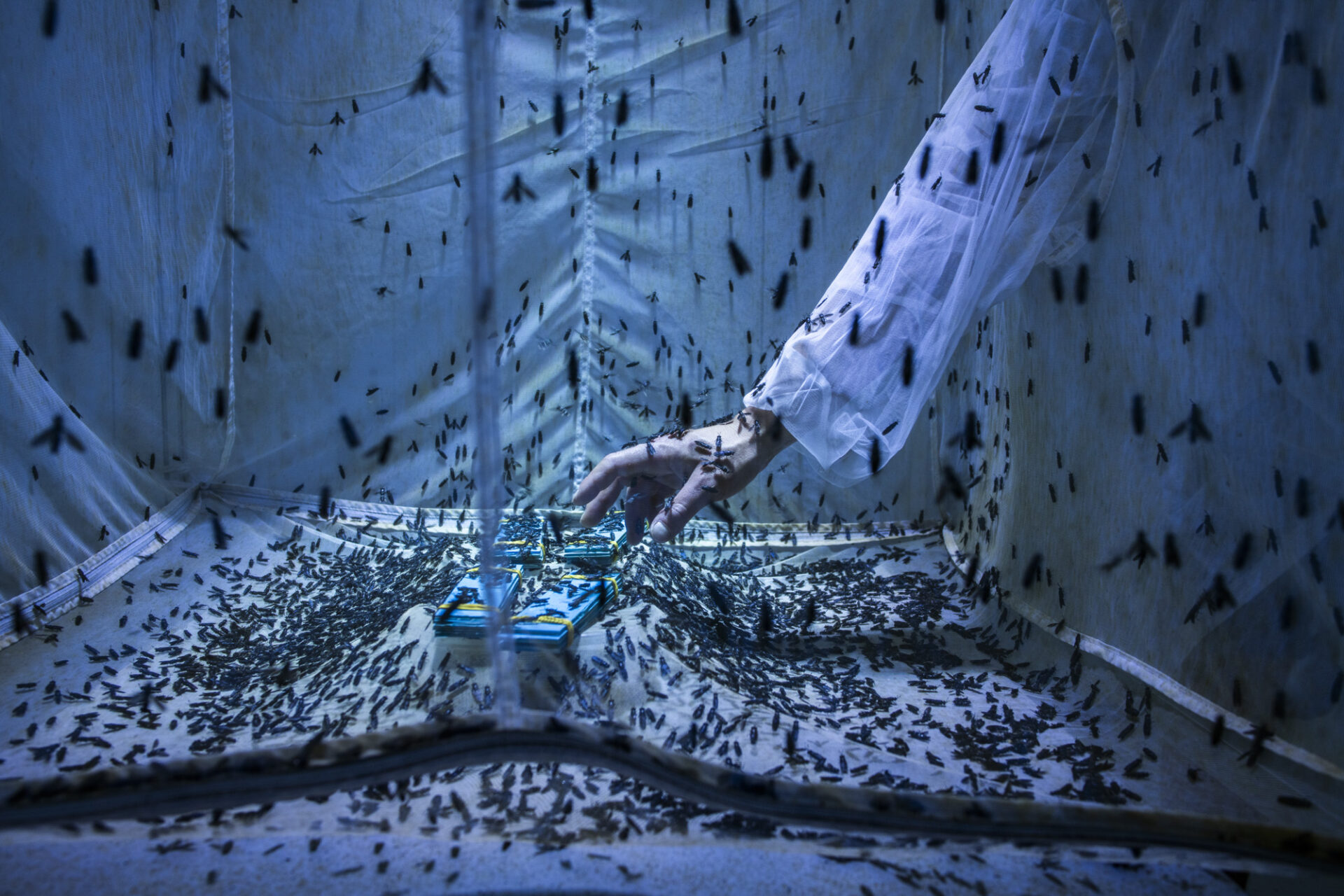
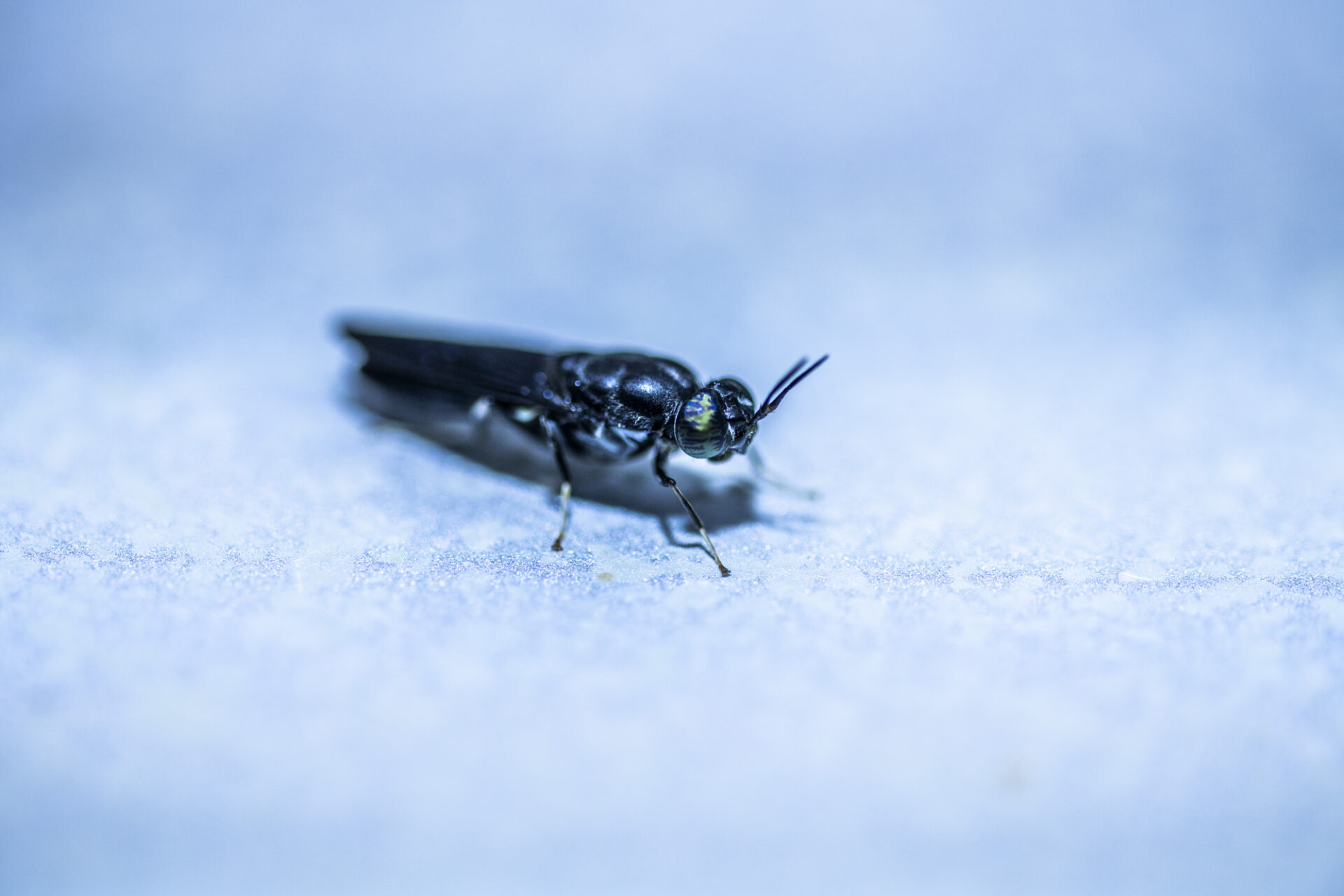
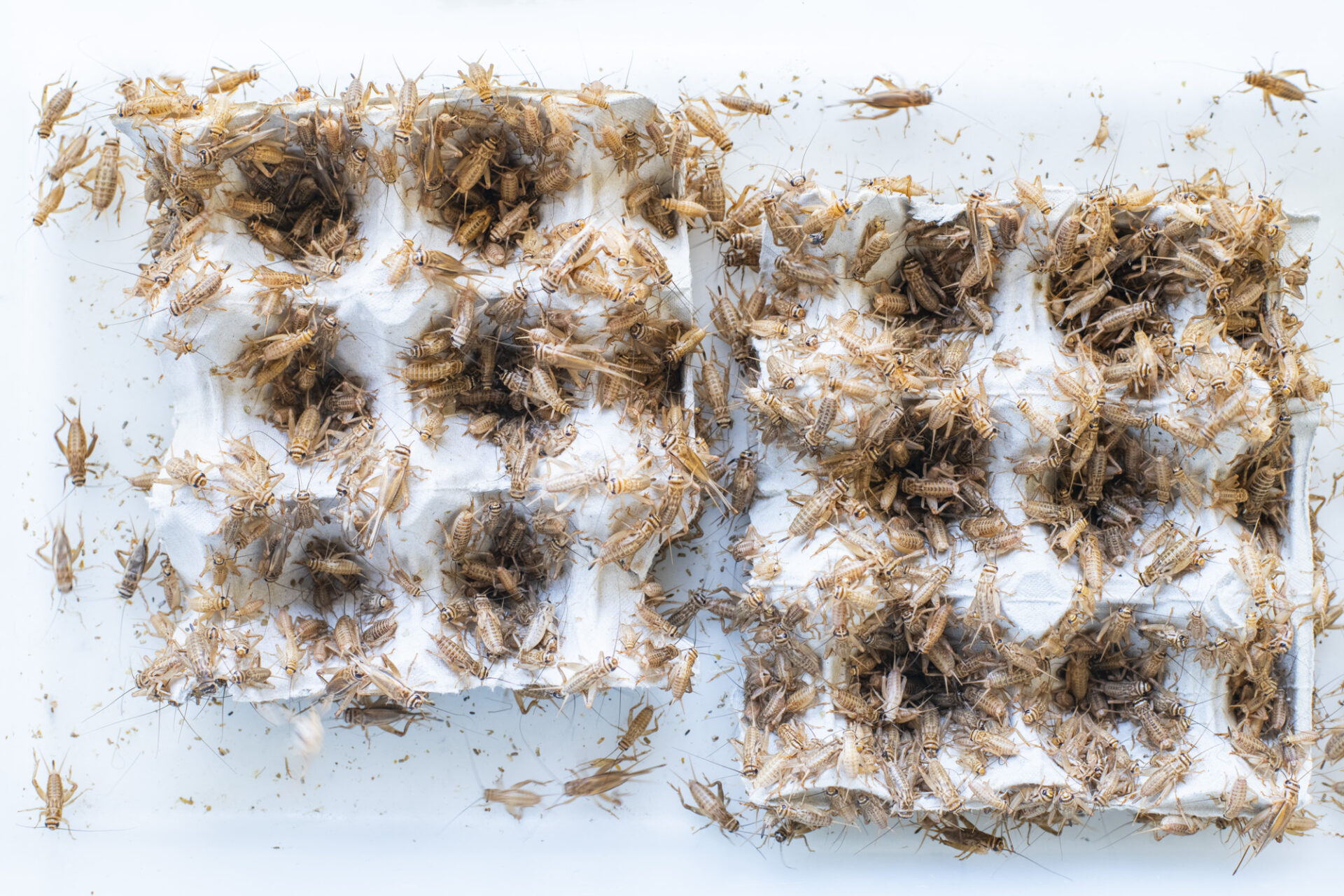
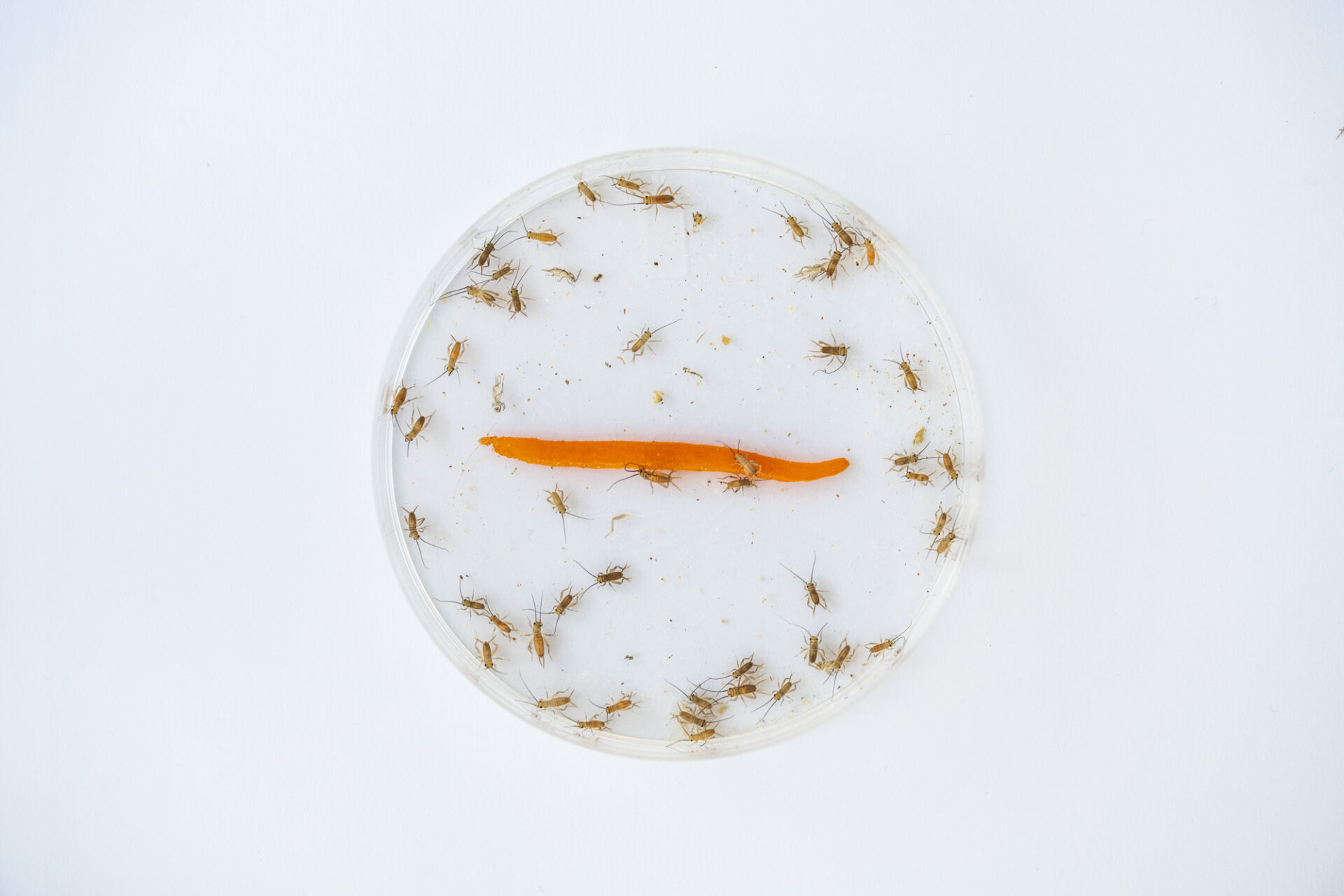
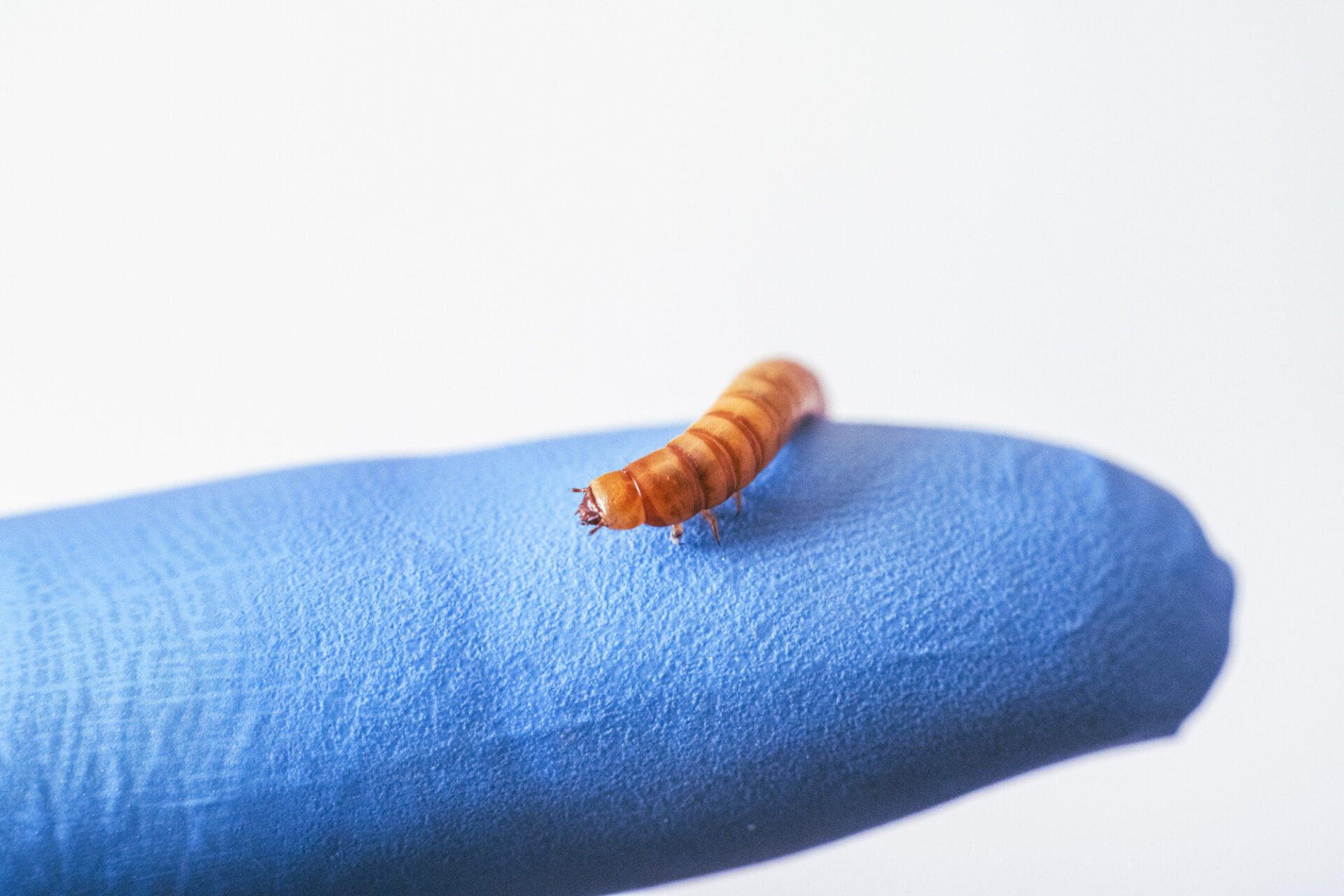
Insects are often brought into the conversation—amid both scepticism and curiosity—as a potential solution and the so-called “Food of the Future”, thanks to their potential as a protein source. Indeed, insects are rich in high-quality proteins and are highly sustainable due to their minimal environmental impact in terms of greenhouse gas emissions and water and land use. Indeed, traditional intensive livestock farming has heavy environmental consequences, accounting for about 14.5% of global greenhouse gas emissions. It also consumes vast amounts of water, fertile land, and often drives deforestation and biodiversity loss.
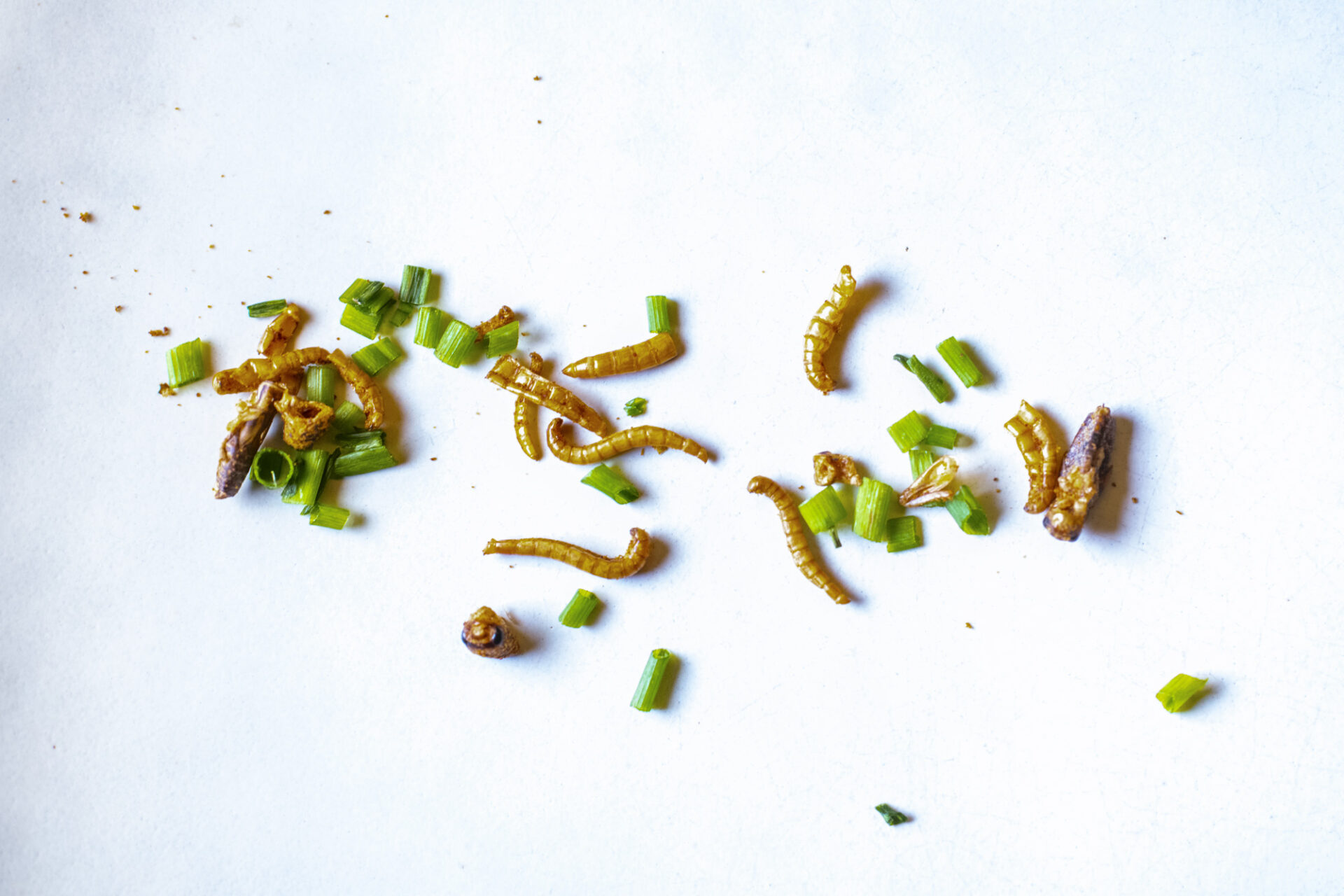
Today, more than 2 billion people consume insects as food, and there are over 1,900 edible species. The most-consumed ones are in Mexico, Africa, and Southeast Asia, and the most appreciated insects are beetles and caterpillars. In many cases, these insects are collected directly from nature; therefore, they are wild, but in the last ten years, something has changed: the demand for insect-derived proteins has increased, and the demand for insects for animal feed has tripled.
In Europe, since 2015, edible insects and foods containing them have been considered “Novel Food”. To be sold, Novel Food must first be accepted by the EFSA (European Food Safety Authority) and then by the European Commission.
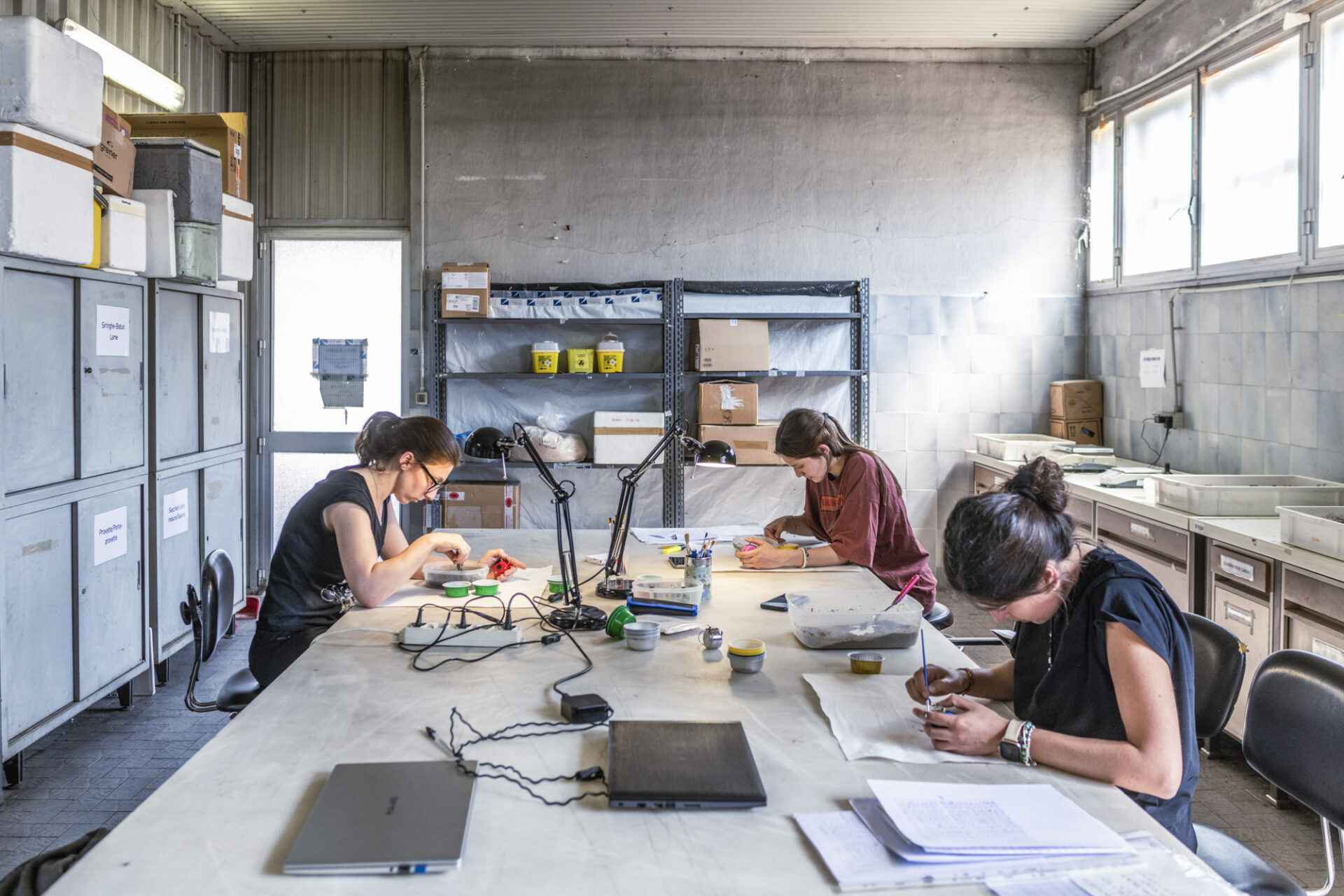
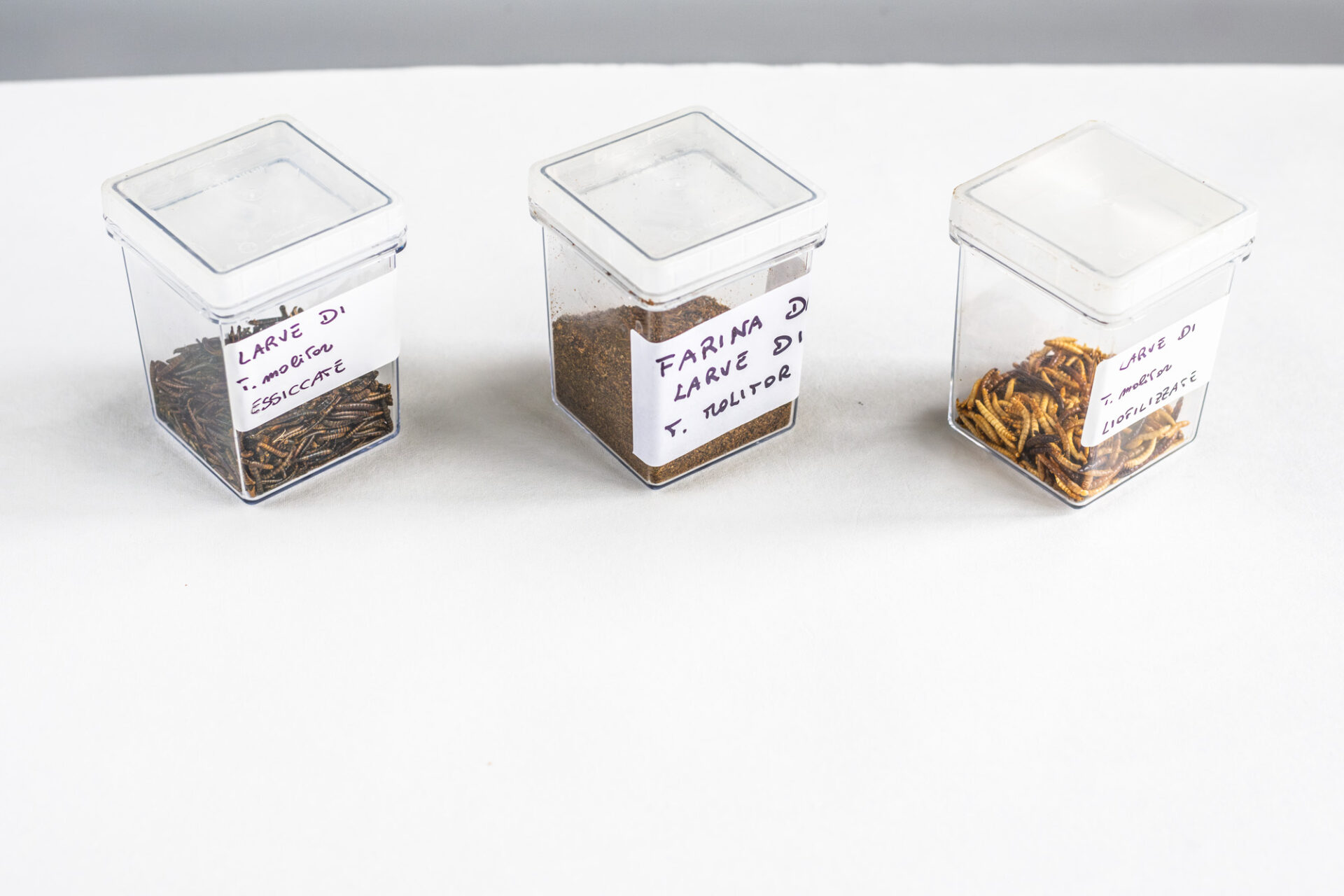
The new frontiers of food are revolutionizing the way we think about what we eat; however, there are still some challenges to overcome. The main obstacle is the cultural and psychological resistance of Western consumers, who often associate insects with something disgusting or inedible. For this reason, the industry is trying to turn insects into a more acceptable product that people can identify with pasta, crackers, cookies, or other familiar foods. Chefs are creating and promoting insect-based dishes, while researchers are studying the most sustainable and cost-effective ways to promote the use of insects as human food.
Choosing to include insects in our food systems is not just a gastronomic curiosity or a passing trend; it is a survival strategy and a global responsibility.